


Introduction: The White Belt Gas Tank
It is a universal rite of passage for every beginner. You step onto the mats for your first few classes in excellent shape. Maybe you run five miles a week, or you lift weights regularly. But 60 seconds into a live roll, you are trapped under someone’s heavy side control, and your lungs feel like they are on fire. You are completely exhausted, staring at the clock, wondering how you are going to survive the next four minutes.
If this sounds familiar, your fitness level is likely not the problem. The culprit is almost always a lack of breath control. In this guide, we will explore the science of panic, the best Jiu-Jitsu breathing techniques, and how learning to stay calm under pressure will completely transform your mat stamina. Ready to begin your Jiu-Jitsu journey? Find the perfect training path at Fusion Combat Training Center!
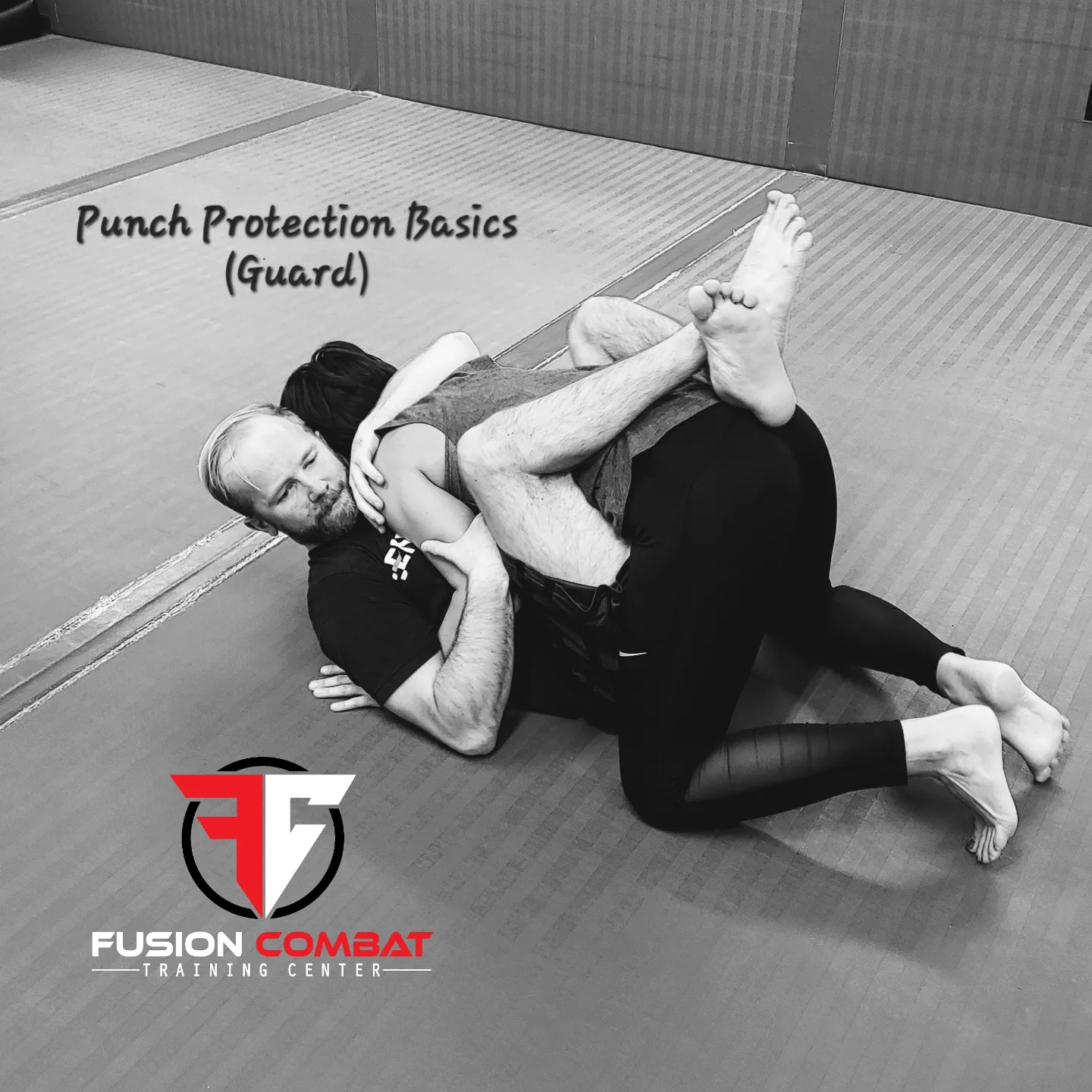
Mastering your breath on the mats is the first step to conquering the fight-or-flight response.
The Science of Panic: The Hidden Battle
To fix your stamina, you must first understand why it disappears so quickly. When a heavy opponent pins you to the mat, your brain perceives a literal threat to its survival, triggering the “fight-or-flight” response (an amygdala hijack). Your logical brain shuts down, and you switch to shallow, rapid chest breathing. This leads to a chain reaction of failures:
-
Rapid Fatigue: Muscles don’t get enough oxygen, leading to immediate lactic acid buildup.
-
Increased Heart Rate: Your body tries to compensate for the lack of oxygen by working harder.
-
Muscle Tension: Shallow breathing leads to overall body tension, making your movements stiff and easily countered.
-
Poor Decision Making: A lack of oxygen to the brain impairs your ability to think strategically.
Tactic 1: Nasal Breathing
Whenever possible, inhale and exhale exclusively through your nose. Nasal breathing filters, warms, and humidifies the air, encouraging deeper, more controlled breaths. Crucially, it promotes the release of nitric oxide in the body, which helps dilate blood vessels and drastically improves oxygen delivery to your fatigued muscles. Furthermore, breathing through your nose forces you to pace yourself, preventing hyperventilation.
Tactic 2: Diaphragmatic “Belly” Breathing
The ultimate antidote to the fight-or-flight response is diaphragmatic breathing. Instead of taking short, panicked breaths into your chest, pull air deep into your stomach. When your belly expands, you engage your diaphragm. This stimulates the vagus nerve, sending a direct signal to your brain that you are safe. Your heart rate will drop, your muscles will relax, and your logical brain will come back online.
Tactic 3: Create Space to Breathe (Framing)
Of course, taking a deep belly breath is incredibly difficult if a 220-pound training partner is actively crushing your diaphragm. In No-Gi grappling, you must use your skeletal structure to create space. By creating “frames” (placing your forearms, elbows, and knees against your opponent’s hips or neck), you carry their weight on your bones rather than your muscles. A strong frame keeps their crushing weight off your lungs so you can actually inhale.
Tactic 4: Exhale on the Effort
A common mistake beginners make is holding their breath when they try to escape. If you have ever taken a striking class like Muay Thai, you know that fighters forcefully exhale when they throw a punch. You must apply this to grappling. When you execute an explosive movement—like bridging to escape or applying a submission—consciously exhale. This generates more core power and guarantees that you do not accidentally hold your breath.
Applying Breath Control in Your Training
Knowing the techniques is only half the battle; you have to practice them actively:
-
Warm-ups: Practice nasal, diaphragmatic breathing during your warm-up exercises to set the tone for the class.
-
Drilling: Consciously link your breath to your movements. Exhale during the “power” phase of the technique.
-
Rolling (Sparring): When in a dominant position (mount, back control), take a few deep breaths to recover and plan your next move. Do not rush. When in a bad position (bottom side control), do not panic. Focus on slow, deep nasal exhales to keep your mind rational while you look for an escape.
The Bigger Picture: Stress Inoculation
At Fusion Combat Training Center, we view grappling as much more than a sport; it is the ultimate form of stress inoculation. Learning how to control your breathing while someone is actively putting pressure on you is the best way to prepare your mind for the chaos of the real world. By training yourself to conquer panic in the gym, you develop a calm, analytical mind that will serve you during a real street altercation, a high-stress day at the office, and everywhere in between.
Conclusion
Building mat stamina takes time, patience, and repetition. Do not get discouraged if you find yourself out of breath. Focus on your frames, breathe into your belly, and remember to exhale on the effort.
Want to Know More?
-
Discover the Programs: Learn more about the reality-based techniques we teach in Denver, CO on our Adult Jiu-Jitsu Classes or Kids Jiu-Jitsu Class pages.
-
Experience the Effectiveness: Feel the extreme confidence that comes with mastering your mind and body. Sign up for a free trial class today!
-
Connect with Our Team: Have questions about No-Gi Grappling, Krav Maga, or Muay Thai? Contact us – we’d love to share more about our empowering, inclusive approach.
Read Next Article ->
Previous Article -> The Benefits of Learning Jiu-Jitsu: More Than Just Grappling